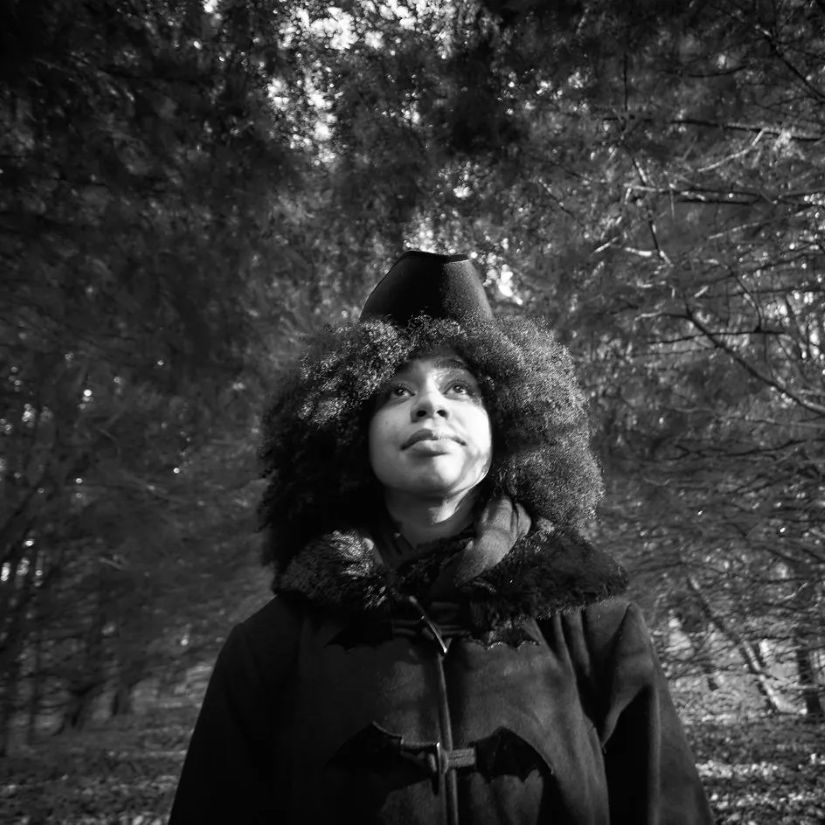
Episode Transcript
INTRO: Welcome to the Trailblazers Podcast series by Periplum, sharing the experiences of trailblazers living and working in the Tees Valley: the innovators, activists, workers and adventurers as told in their own words.
Episode 6 Mother & Daughter Yusra Santos & Abigail Dos Santos
Lynne [Interviewer]
So we're in Stockton-on-Tees with mum and daughter Abi and Yusra. So if we can start, if you don't mind, just saying your full names for me.
Yusra [Interviewee]
My name is Yusra Santos and I want say that is a pleasure for me and being part of the story of Teesside. So it's a pleasure. Thank you.
Abigail [Interviewee]
My name is Abigail dos Santos and I want to say thank you for opening the space for us to tell our history. Thank you.
Lynne [Interviewer]
Thank you. So shall we start with what your childhood was like, what it was like growing up in Brazil?
Yusra [Interviewee]
I start? [laughs]
Abigail [Interviewee]
Yeah [laughs]
Yusra [Interviewee]
Yeah, I had a very good childhood I can say. I born in 1979, so the time that we used to play in the streets. [laughs] So yeah, I used to live in a kind of village in the northeast of the country and, er, my neighbours was like my mom's cousins, and, er, I used to play with my mom's cousin's kids. So, yes, I had a very good childhood because I had family together to play…
And school was a very small place. So the place that everyone knows everyone there. So everyone was basically caring about the elders, like we was very united there and it was only me and my mom. I don't have brothers or sisters, didn't have my, my father with us. Then there was only me and my mom and my auntie live in the same - she used to live in the same neighbourhood. She still live there until now. And I had this my cousin that was basically my brother. [laughs] Yeah, our school was close to us as well. So was a very good place in good school.
Some of my remembrance from childhood sometimes is a bit confused because I don't remember well…people, my connection with people. I remember [laughs] more about my cats, [laughs] my toys. I used to play a lot by myself. I had my cousins close, but I used to play more by myself because I was the weird one in the…they used to bully me a lot. So basically sometimes I used to be more playing by myself or disturbing my cats. [laughs] Yeah, I lived there until what was, I think nine, nine years old.
Yeah, I live in this, this neighbourhood with my mom.
Abigail [Interviewee]
I was also born in the North East, but I grew up in the central area of the country. I had a amazing childhood, actually. I think I was lucky to live close to like a preserved natural area and really close to the sea. So…different of, like, loads of my friends that I made later on. Like I had loads of space to play. I had loads of connections with different types of animals because they were just everywhere, loads of nice fruits that we went to the neighbour’s garden to steal it. [laughs] So it was, it was nice.
Also different from my mom. I had two brothers [laughs] and that was like a full hand-on because I'm the second oldest one, but he feels like I'm always the oldest one. So it was quite of like a lot to deal with, but in a nice way. They are nice boys, so I never had a problem.I never felt, like, left out for being a girl or anything like that and didn't had much of, like, TV time, or if I wasn’t reading or in some type of course, like ballet or music or something like that. I was probably outside running. [laughs]
So I had a really great childhood. The city was really small. The community was really, like, together. I had loads of kids that was my age, so we would come back from school, throw our backpacks in and then go outside until mom started screaming for us to come back in [laughs] because he had to take shower and make our homework and dinner and go eat or something.
But yeah, I had a great childhood, good memories: going to the sea. My mum was a firefighter for a while, so we went to the sea a lot. It was really fun- getting to the neighbour’s garden to steal loads of fruits [laughs] getting on top of trees and couldn't get down so had to cry. [laughs] So it's more like silly things that putting it together was it was nice, like really enriching.
So yeah.
Lynne [Interviewer]
Abi touched on some of the jobs you've had there. So you were a Firefighter?
Yusra [Interviewee]
I was lifeguard.
Abigail [Interviewee]
A lifeguard, sorry
Yusra [Interviewee]
Yeah. It's because in Brazil the firefighters, they are divided into the firefighters and lifeguard. I was not like a part of them because they are military, but in the summer they used to contact us to help them because the beach is very long, like 14km beach. So the staff was not enough to work there. So they used to get us to help then, so I work with them for five summers.
Abigail [Interviewee]
I used to cook lunch and then we would take lunch to my mom [laughs] like we took lunch.
Yusra [Interviewee]
Excuse [laughs]
Abigail [Interviewee]
We took lunch
Yusra [Interviewee]
[laughs]
Abigail [Interviewee]
...but it was a excuse to be on the sea. [laughs] So like ‘here mom, we brought you some lunch and then you would go swimmingAnd she was like, ‘okay, now time to go home.’ But then we wouldn't. We just would wait until she finished and then we would all go home together. So she would have lunch every day because we wanted to be in the sea every day. It was also our summer break when she was working, so we used the time to be at the sea.It's quite fun.
Lynne [Interviewer]
How did you come to move Yusra? You grew up in the little village, and then you said you moved when you when was it seven, nine?
Yusra [Interviewee]
Yeah, I moved that place like my mum had a…not a good relationship. And she sell the house we was living in, and after she broke up with this guy. So we was like, without a house. So my mum went to live in a cousin house in other neighbourhood. In the capital Aracaju is the name of the capital. So we start living there with her cousin. But I used to study very far, because I used to study in the neighbourhood where we used to live, and I used to get the bus and had this teacher and she was English and er…she was looking for somebody to work in her house. And I got this job for my mum.
So we moved to her house and we stay living there for I think two years - one year, two years, I don't remember well. After that mum had this American guy that was a friend of my auntie and he was like somebody that we know for so long and he was looking for somebody to work in there and we moved for his house. My mum started working his house and then my mum stay for around two years as well.
So from there she got money to buy a small house for us on the other town closer to the capital, and we moved for this place. I was already, I think, 12 years old, I was, when we moved for this town.
And we live in this town until I moved to Sao Paulo. That was after Abigail born in [19]99, four months old she was when we moved to Sao Paulo. My mum moved before and after we move for try a better life because it was really, really hard, our life in the northeast. So she was more raised in Sao Paulo more…[laughs]
Abigail [Interviewee]
I feel - like we call Paulista - and I do feel more like a Paulista person and principally like Casares, Casares who is born like on this area where I grew up and different of my mum, like she moved a lot when she was a kid, I didn't, like, I grew up and I went to high school on the same area, practically, like, didn't move at all. So yeah, I feel more Paulista than anything else.
Yusra [Interviewee]
Yeah, we moved for there in [19]99 and you moved from there to here.
Abigail [Interviewee]
Yeah. Is all that I know.
Yusra[Interviewee]
All.
Abigail [Interviewee]
Like even when I wasn't living on the small city, that was like you need time I was with you on that area- I never, like, left Sao Paulo. I left to, to like, go get to know other places. But I never left of, like, living other places. So Sao Paulo was all that I knew. Basically like, the mannerisms, the culture, because the country’s so big, so different states have different culture. The culture that I have, the..
Yusra [Interviewee]
The accent [laughs]
Abigail [Interviewee]
The accent that I have is all from Sao Paulo. Like, there is no other place.
Lynne [Interviewer]
And what was school like for you?
Yusra [Interviewee]
I enjoy school [laughs], really enough. As a child, I love school, like, ask my mom I had no problems in wake up in the morning, like, I love studying, love reading. So I had so much fun in school. In high school we had like the state project that is like full day classes, would wake up at like 5.30 [am], 6 [am], go to classes. Classes start at seven and then you would stay until 4 [pm] or 5 [pm]. It was the best time ever, like, I don't think I had troubles in the school, really. Like the boys maybe not so much, but even though I'm dyslexic, I don't think I had trouble studying because my hyperfocus is reading. So every time that you had something that had reading in it, I just really enjoy. So I, I think I did well in school.
Yusra [Interviewee]
Yeah.
Lynne [Interviewer]
And what was family life like at this time?
Yusra [Interviewee]
Wow. Was really hard when they was little, like, because I was basically raising them by myself with my mom. Abigail was very busy cause er had this NGO [Non-Governmental Organisation] closer to our neighbourhood where I put them like seven years old days to start there. So they used to learn a lot of things there - is ballet, she start ballet there, and my son Ismael start music there. All of them went there because in Brazil the classes started in the morning time and afternoon time. So some kids go to school in the morning, some other kids go to school in afternoon. So the kids that go to school in the morning, in the afternoon they go to the NGO.
So day was like this. If she was studying in the morning, afternoon, when she leave the school, she go to the NGO. Like she used to do everything that they was giving class there - she used to get it. [laughs] Even I had the meeting with - how the name? - it's not a teacher?
Abigail [Interviewee]
No. She's like the head director or something like that.
Yusra [Interviewee]
Yeah, she called me because she want to do everything. Everything. And she said sometimes she can't, because the time of one thing’s the same time for the other thing, and she want to do it.
Abigail [Interviewee]
[laughs]
Yusra [Interviewee]
[laughs] ...and she have no time. She will get too tired. [laughs] And she was like this. So, then was more out doing something than at home. And I was try to work in the summer. I had the lifeguard to work out of the summer. Sometimes I had some house to clean and yes, so my mom was helping. My mom always work as a cleaner as well. So it was hard and the financial condition was very hard, very hard. They never had like a lot like clothes or the things, they never had a lot, but the base because I tried my best to give them then the basic so… food we, we had. [laughs]
Abigail [Interviewee]
It was, it was as a like a child perspective, it was hard. But I don't think we'd like, realise how hard it was cause like all of the kids in the area, like were around them the same situation. And my mom had like some mental problems. But then she always make sure that we were so busy. And so I don't think we realise. Now as a grown up, I'm like, oh [laughs] yeah, like those things are going on.
But as a child we weren’t too aware of it because we were all so busy, like going to school, having courses to do and then also like Misael was the youngest one, like I used to take him to school. So we had like small responsibilities, here and there. So we didn't really realize, if that makes sense, like how hard it was because we were so busy with other things, like things that were enriching as a child.
So it didn't felt that we were, like, struggling that much. I think once we got into like high school, that was a bit more clear principally, like we went to different schools and most of the kids were like parents that had money or coming from different backgrounds. So that made a bit more sense of like, okay, I'm not on the same level.
But then as a child, I don't think we felt that much, principally because we were around kids that had the same background, and the same struggles. So yeah, my mom and my grandma was always around anyways. Like even though, like having their problems, they were always around and made sure that when we get home, they are home or they are coming home. So as a child it didn’t felt like…we were struggling with anything really.
Lynne [Interviewer]
So what prompted you to move to the UK from Brazil?
Yusra [Interviewee]
I think all the situations that, er, we went through - financial and, er, even the environment - violence that was reaching our family, like, er, - we feel not safe. Like, er, I feel that any time I'll be home and will a call saying that one of my kids is dead. That was like…I never lay down in bed, and they are out, and I never lay down in bed and sleep well, because I was feeling that anytime I will hear a call and it will be this call: they are dead. So this is not a good way to live. And they worried that, er, I go to bed and I don't know tomorrow what I will give for them to eat. I don't know what will you have to eat tomorrow.
And, I saw, like, a situation that I will be like this, and we don't have future. The future will be: my kids dead or they’ll go to a bad direction, do something bad because they see this way that we are living and around us, we don't see no help. The help that we see around us is to put us in the wrong direction, to do bad things. So I think this move me and say I need to do something. And, we don't have opportunity like you. People like us, the way that we are, like we are black people, poor people.
We have no family name; we have no status. So we don't have opportunity. This is, like, when they see us, where we was living, they see us, like, we can clean somebody’s house. That's it. I went to University, I did business administration, and the only job I got a bit closer to my career was cashier in the supermarket - like four months in the summer because they are very busy, and they was getting people to be like a short term contract. It was the only one. And I was seeing, me, I had the skills to do a lot more in a way that even, like, in a country that they only speak Portuguese, I never went to a school to learn other language and I learn English by myself.
So a lot of things I know I learned by myself. Like in Brazil, I did a job that lawyers do. I made documents for people that the only lawyers can do, only a solicitor can do. I did by myself. I learned by myself. So I saw myself as so capable to do a lot of things but they see me as a black woman, a widow woman with four kids that live in a, a neighbourhood that can be classified as a favela, in a very poor house, so she's not a, she haven’t no…how I say? She’s not good for, for this. So is the way that people see us there. So I never had opportunity to show my skills. The job I got - and I worked three years to get money to come here to raise them and to come here - was cleaning people's house, being a housekeeper.
So what are they make the society that put my mom into? So all my mom's life, was working as a cleaner and the being very humiliated because it’s not being cleaner in UK. Like here, people give you value to the job you do. Doesn't matter, I saw people like proud of themselves because they work as a bricklayer or plumber, you know, cleaning… And everyone look at them and they see that some person that work hard and deserve that money. So in Brazil, if you do a job like this, and you tell somebody that you was a cleaner, they see you different, like. So you’re earning very little money. You work very hard, like, I used to go to work 7 [am] the morning I wake up to go to work and sometimes 8 [pm], 9 [pm] in the evening. I’m still in the house cleaning, and I had a time that I was cleaning one house in the day, and other during night because I need money to pay my bills, to give food to my kids and to save to try change my life. And the help you get is like somebody that come to you and offer you something that can put you in the jail, that’s the help.
So for young boys like my kids, is not a good place to live and be forced, sometimes, to do things in this way, because sometimes they don't give you opportunity to choose what you want to do, or you want to or not, because the society see you this way. Like my boys was seen by people like they are criminal. Like many times when my kids was in front of my house, talk to a friend and the police pass by, see them in front of my house and they come and they treat them like criminals. Like - a time that I come out and I was hearing that shouting outside and I come out and they are there, pointing guns on them like they are doing something. You know 'what's happened, what's happened'? And it was nothing. Only they saw a black boys sit in front of a house. So let's treat them like criminals. So they’ve been beaten by police. They been forced to do things by criminals. So it's not a place, you know, to…so we leave.
Lynne [Interviewer]
And so it took you three years to save the money. And then you came here. How did you get here? And where were you at first?
Yusra [Interviewee]
Yeah. I fly from San Paolo to Rio, Rio to Morocco, Morocco to London. So I arrived in London and in London I stay in the Airbnb. I booked Airbnb there and I stay for, I think four days. And a friend of mine, like, internet friend, Facebook friend, that I always thanks God that he put so good people in my life.
And this friend he messaged me and I told him, even he didn't know that I was coming here.
Lynne [Interviewer]
Were you on your own or were the family with you?
Yusra [Interviewee]
No I was in my own. I had no way to come with them. Like the money I save was only [laughs] for I come. And my plan was... basically I didn't have plan.
I was only thinking, I need to do something. I need to change my life and my kids’ life before I lost them. This was like my only goal. Like I was praying and coming. [laughs] Yeah. So after that I was thinking, because I don't like to do things that's not follow the law. I don't like it. I like doing
And I was thinking, okay, I'm in this country, I can't work, and I want to be here, but in the right way. So I said, yeah, I can't go back. I need bring my family. I need to take my family out of Brazil before…will be later. And I started to try to find a way. So I went in the government website and I was looking into there what can I do to bring my family and stay here.
So I found about the asylum. So I said yes. The only thing is we claim asylum because Brazil, we cannot be there. So I told him, the guy, and I told him, look, I don't want to be here illegal. I got visa, I came here and I got a visa. You know, I said, I want to be here legal, I want everything right.
So I, you ask asylum so he said, "yes - do your best for yourself, for your family". So he help me and he support me in this, and I went to there in Croydon and I ask asylum there. So, everything starts. [laughs]
Lynne [Interviewer]
What was it like for you Abi, being left in Brazil?
Abigail [Interviewee]
Umm…at that point I was, I wasn't… I left the house quite young, 16.
I got a, a scholarship in a University. And then I had really good friends, like supportive friends. So I went to live with them to access Uni[versity]. So I wasn't around the house really. My youngest brother was staying with my grandma and my two older brothers. They were adults already – not really adults, don't think they were for me. [laughs] They were old enough so I wasn't around. She told me that she was leaving and that was the plan. And then at that point I was quite disconnected of the family. Some things had happened. I wasn't, I wasn't really okay. Like I needed the time to, like, find myself in who I was. So I wasn't around. So it didn’t felt too weird.
It was different, definitely, but I don't think I was in tune with my family at that moment, so I didn't felt much until I went back to see the boys and then my mum wasn't there because I used to come back all the time to, like, weekends or something like that. Or she would call me and say that I didn't call her. [laughs] It's like mum it’s Uni[versity] and really busy. And then I started going back and then, anyways, I went back for a while, when I came back she wasn't there. So that's when it feels a bit like disrupted cause like we had a really small house, so like you could feel everyone was in the house, it just felt packed. So she wasn't there. It was just… it was just different.
Was also the time that I met my adoptive father. So, like, I didn't had a father presence or a father figure until that point. So it was a different time. It was like a time to connect with someone from the opposite sex. And I do believe kids learn how to love through their parents, and I think that was my moment to learn, like, how to love myself and, like, the love that I was looking for.
And he was…they are both smart, my mom and my father, but they have two different types of smartness: my father is really kind of street smart, like, he is a gay man, he was put out of his house by the age of 13. He was also the person that put me into like community work like as being in the community. I think I was always the one that was helped by the community, but have never been on the other side. He helped like young adults, with like drug problems. And we have this big thing back home - when a kid is, like, gay or... I have loads of like trans sisters and they, most, like, when they are put outside of their houses, they fall into drugs because that's what is available. It's like you sell your body or you sell drugs.
So that's the way that people fight to survive and navigate those spaces. So he had this project where like they could come to the house. It's a spiritual house also, like it's connected to my religion. They would clean themselves and then he would help them find jobs and a house.
So it was on the time that I was really bad at myself. Some bad things had happened. I never had any problems with drugs, never got involved, but lost loads of friends and people that live around us to drugs. Or the ones that didn't die, like I would find in these streets and they wouldn’t recognise me. So that got me really, really bad.
Like mentally. So it was, it was just a different moment in my life than what they were living. I find myself in that situation where I wasn't okay. So, so many people losing themselves, finding my father -that helped me with my mental health and my mental state, was really suicidal at that point. And he had gone through that by being put out of his house really young.
So it was a moment of, like, finding myself and helping other people while they are also struggling. So I didn't really felt the absence cause I was also finding a different family at that point. So yeah, it was just different. I don't think we were in tune at that point and they were living one thing and us living a different one. Yeah.
Lynne [Interviewer]
So we’ve left you in Croydon, starting the process of going through the asylum. What was that process like for you?
Yusra [Interviewee]
The beginning was very scared, because I remember the day I went to that and that building with my suitcase without know what they would do to me. So I was so scared. And I went in the morning, and stay until evening sitting, waiting.
And a lot of people, their families, childrens and everyone waiting without know what they will do. So I was really, really scared. They gave us some, er, sandwich and juice during the day, and, er, the end of the day they put us in a van and take us for a hostel, and they gave me some paper and they said: ‘you will stay here’ was a Friday that day.
And then they said: ‘you will stay here until Monday, and Monday they you take you to Leeds’ was what they said to me and I was there without know nobody, and it's scary without know what they will do. And I was like, ey, okay now, let's see what they will do, and you try bring my family. I need to bring my family.
That was my goal. So then on Monday they came and they take us, and it was a horrible that trip because [laughs] they put us in the van, and I saw…and I was looking the streets and they are coming. And I was seeing like Heathrow, Heathrow Airport, Heathrow Airport…. and I was, I was, oh my God, they will you send me back, they are, they are send me back now.
And they all the time I was seeing the plaques of the Heathrow Airport and as they will send me back. What do you do now? "I can't go back. I can't go back. What will you do? So I was like, lost, seeing all the hopes to… take my family out of that country. And thanks God they only stop in the hostel closer to Heathrow to take more people. [laughs]
Lynne [Interviewer]
[laughs]
Yusra [Interviewee]
So they take more people there, and they come, and we came for the north, and it was like in the paper they said that you bring me to Leeds, and we was travelling in direction to here, to north, when they went to Birmingham, they stop in hostel in Birmingham and I was okay, we will stop here to eat something, because it was like lunchtime already and they said for we get off from the van, we got off and I was like, hey, okay, what will we do and everyone hungry. And there was like near time to pray and I didn't know where to go. [laughs] And they gave us lunch. And after they said ‘yeah, you guys will be staying here.’ So they put us in Birmingham in a hostel. This hostel was…it was horrible. [laughs] So I stayed there for one month and 15 days. They put me in this tiny bedroom with somebody that I never saw before.
So it was horrible. I didn't sleep, so I used to sleep like two hours a night. And people, the staff was really horrible with us. They are like, um… I can say that they had like some people that was best treated than others - depend where you come from.
One of the guys that came with me in the same van that he saw the situation and complain, so somebody resolve it, because I was so scared and everything I was going through, I was so quiet because I thought, like, I cannot complain. So it’s like a, a favour that they are doing to me and I can't complain. So this guy that all the time was, “you need to do something. You cannot allow people do this with you.”
I was not feeling good. So after that they moved me. They got me a house here in Stockton. They moved me here and I was thinking, okay, I go to a house now I will have my own bedroom.
No - I live in this situation for one year, more than one year, and it was when I got some way to bring Abigail here. So she came and I put her in my bedroom. [laughs]
Abigail [Interviewee]
[laughs]
Yusra [Interviewee]
She was sleep on the floor, with me, because I was thinking I will not allow her - they take her to put in hostel. So I brought her here and she stay. I talked to the sister that was living with me and, er, I said, my daughter is coming and I don't want her…she went through all the situation we went, I want to know if you will allow me to bring her here. And she said, of course, of course, sister, you can bring her here. And she came.
So yeah. So we started our situation together. [laughs]
Abigail [Interviewee]
[laughs]
Yusra [Interviewee]
Until she got, we got her support, so she got her…bedroom, sharing as well. [laughs]
Yeah. And, but in the same, in the same building.
Abigail [Interviewee]
We were neighbours [laughs]
Yusra [Interviewee]
Yeah we was neighbours, so…yeah was harder this phase like… I can say that we feel, we feel stuck and sometimes we feel…a bit of humiliated. Uh… it's like I never live in, in a situation that I need to be here doing nothing, waiting for some money to buy food.
So, okay, I need the house to live, but I don't need somebody give me money every week if I'm healthy and I can work to have my own money, you know. Like when I came here, they used to give us 37 pounds a week, 37 pounds to, for food, for hygiene, for clothes, for…everything you need. So, so 37 pounds each person to live.
And she came. She was without support. So what was 37 pounds for me, her…and after that, we got her her support.
Before she come, my life was in the library, in the Stockton library. I woke up in the morning, have a breakfast, I go to the library 'cause we, we used to live closer to the library. Like, it’s three minutes’ walk. So I went to the library. We stayed there reading, watching cause we didn't had internet, so there we had internet watching and…
Abigail [Interviewee]
The computer. [laughs]
Yusra [Interviewee]
Yes. We stayed there and that was like- the time to pray I go back home, I pray, I eat something and I go back to the library. We was like it, from the time we open the library until the time it closed the library. But Sunday have no library. So Sunday was our day to be around the [laughs] the fountain...
Abigail [Interviewee]
The river.
Yusra [Interviewee]
...the river. Like a lot of time we had, we don't do nothing and we don't be allowed to work to find our way to live. So we started going to drop-ins, drop-ins that help us a, a lot in the church. Here every day was in a different drop-ins, try to [laughs] to do something, meeting people, talking.
So, yeah, this is the hard thing. Like, you got depressed because you start thinking too much and you have, like, your family that you want to help. You have problems that you want to solve, and you have no way to solve, and you need to wait. And you don't know if you will get your papers to stay here, or suddenly they will say no, you will go back.
So it's like, you know, uncertainties all the time. And they come day, pass day and you stay waiting, like, hey, I'm seven years like this. So it's, it's not a good experience. And, er I can say like in my life now, like I, now I have all my family here.
My life now, yes is much better because now I can go to bed and sleep. And I know that my kids, if they are out they will come back home, safe. Now, I know that they are safe. I know that I'm safe. So I know that I will have food. So this is good but is like we are stuck, and our mental health only getting bad. So we need to be like working it for not getting really bad. So yeah.
Lynne [Interviewer]
So…you eventually got your papers. Did you say it took seven years?
Yusra [Interviewee]
No I didn't.
Lynne [Interviewer]
No?
Yusra [Interviewee]
No.
Lynne [Interviewer]
Oh My goodness…
Yusra [Interviewee]
I'm still waiting.
Lynne [Interviewer]
What was the process like for you then Abi?
Abigail [Interviewee]
Er….it was…. it’s scary.
I, I never thought about leaving my country. I'm really Brazilian, [laughs] like, really Brazilian. And I had, like, deep roots. And I was in a period... I spent a full year with my father, like, just dealing with my mental health. And… I think helping each other, not focusing so much on me really helped. I had just gone through…. We have this ritual back home, on my religion that you like, stay 30 days in like a white room.
With like the, the sands and is like is a beautiful period. And it was nice. It's like a rebirth. So I was ready to start living. I was quite young, was 19, ready to, like, start living and like leaving all of, like, the traumas behind. And then my mom's plan was to bring me and my youngest brother and I and I'm my youngest brother carer - always been with me, always around and quite dependent on each other.
And then things didn't work well as it should. And then I came by myself. So scary. My first flight 14 hours. I was so afraid, so hungry. [laughs] And once I arrive, like, it was quite shocking because the first person that I had contact with in the immigration, like, it was these two guys and they were so rude. I speak no English at the time, and I was terrified with my mum on the phone. It's like “I arrive, I don't know what to do.” And then different persons, they were just horrible. This guy was like “well, you know, if you claim asylum, you're going to go to jail.” That's what he said to me. And I was 19, I was terrified. I was like, "yeah, that's fine" - nearly crying.
They get me through the first process, take me to this room in the back. And then there is this two sweetest ladies ever. I think woman has this thing of being nurtured and I'm so much more comfortable with women anyways. And then, I mean, there's a small room with another lady.
She does whatever she has to do, leave. So it's just me inside. I remember looking at the TV and like, it's like a competition of, like, pool. And I couldn’t understand nothing that they were saying, was so hungry. They came and they offered me food, that was really nice and, like, to get me a bit relaxed.
They talked a bit with me, calmed me down, let me know that my mom is outside and my mom had called them in to let them know that I was arriving so they were like: “your mom is outside, you just need to go to some things with you and see how we go from there.” So I don't know, 16 hours of being terrified.
And then after that I saw my mom. Cry like a baby. I remember arriving, I came straight to Stockton. So Stockton was my first England contact. Fell in love with it. It was like a small city, not too busy when we arrive. Couldn't sleep. [laughs] My mom went to sleep cause she was so tired, hungry, so. And then we went for a walk around - first place library. She took me to the ARC (Stockton Arts Centre). She just, like, took me around. So I think for me it was easier because my mom had a community already. She knew some people around, she knew a bit of like the drop-ins, and she was like, you need to learn English. That was the first thing. I was really shy. Like, I didn't know nothing of the language.
Just thank you and yes, please.
Yusra [Interviewee]
[laughs]
Abigail [Interviewee]
[laughs] That was all that I could speak. So it was, it was difficult, but it made a bit easier because she had a community already. And the difficult part was I was 19, ready to start my life, and then you put everything on standby. So it feels like, I don't know, an explosion and run. Everyone is running around, but then you can’t move. That's what it feels like. So many plans, so many opportunities, but you can’t reach none of that. So it was frustrating. That's what it is. It's frustrating in the asylum system. It's de-humane. You feel seen by the community, but then the authorities that.. it’s the people that mattered for you to start your life in that sense, it’s so difficult to navigate.
So you hear so many beautiful histories and bad histories and like how people overcome their troubles and, but that doesn't reach the Home Office. So it's so frustrating. Like for them you are just a paper. But then at the same time, like it's so fun[ny] because they don't listen to their own community, like to the British community, that's so welcoming and so nice. Yes, we see like really bad things and people that are really against, but that's the minority. They just don't listen to their community, to their people. So for the people who were there, you were valued, in the community you were valued. But then when you go back to the Home Office, it's just a piece of paper. So that was quite frustrating.
I stayed on that process for six years. One year after arrived, I met my partner and that was the best thing that England did for me. He's lovely. He's so cute, he’s so passionate. I'm going to cry. [laughs]
Lynne [Interviewer]
[laughs]
Abigail [Interviewee]
He's just the best person. And we met in Darlington, at Macey Brown's - it’s closed now, but that's where we met. And… it was just like he was such a good friend. We spent lockdown together, and then we just got together, like, it just happened. He was so beautiful and it was like these small things that... Oh, I wanna cry [laughs]!
Lynne [Interviewer]
[laughs]
Abigail [Interviewee]
It's like these small things [cries] that England bring to people, but it's so difficult because the Home Office doesn't see those things. We stayed together for five years now, and I just got my papers in the beginning of the year, but it was so frustrating 'cause…we love each other. We have been together for so long, but because they are not active on people's life, they don't see those small things that makes a difference. It does makes a difference.
And then I was thankful to…I managed to study and I always loved studying, went to the college and I learned to do… I'm really good at research. That's what I love doing and that's what I'm good at.
And I managed to getting to a level of English where I could put everything down. I did a full research on my case, picked like interviews, news, everything that I could, like, not praising myself, but I did. I did put a really good piece of evidence and sent it to the Home Office, and I think that's what facilitated with my case.
But unfortunately, and that's what they don't understand. Not everyone has the same level of English. For some people it's really difficult, and they don't acknowledge that. Unfortunately, if you don't have that easiness with dealing with that paper process, they can be…neglectful. So I put that paper together, sent to them, and then like four months after I got my papers.
But yeah, it was a difficult process, really difficult on that side. We had so many difficulties of like, days that we would like... because that the ARC (Stockton Arts Centre) is the centre of everything, we would go to the ARC sometimes, and then [laughs] we would advance to that chicken place and they had this thing that was a pound [£1], and you would get two pieces of chicken and fries. So we would go, get the pound [£1], because every day we had a pound [£1], would go get the chicken and the fries, [laughs] and then we would make some rice and that's [laughs] that we would have to eat. And it was really difficult. But we had fun.
Yusra [Interviewee]
Yeah
Abigail [Interviewee]
We read a lot. So it was good to be at the library and goes back to the thing of like being around places where the community is. Stockton library is so amazing of, like, opening spaces for people that are to that difficult process. We went to Creative Together, so we got the tickets. We would watch so many movies at the ARC, like we would be there every other day, watch the movies, and that...
Yusra S [Interviewee]
Sometimes twice a week [laughs].
Abigail [Interviewee]
Sometimes twice a day [laughs]. We would, like, rewatch the same movies.
So that also helped with the English and, like, socialising and being around people. And I remember like not knowing how to speak. And my mom left me with Jane for, like ,doing like a carnival project. And you just get to know people and it's just like everything clicks. And was for me as, like, a youth was the moment that I was like, you know what, I'm "like to hell with everything, I don't care, I'm gonna start living my life". So I was like, "I'm gonna really throw myself in the community". And I think because of that, I can’t leave Stockton. I'm so connected in with the community. My roots are here. I love the place. I would love for my kids to grow up and experience that. And being around so many people from such different backgrounds is also so enriching.
So even though it was a really difficult process and it was...it is still amazing to see how much we learn from that. And I think everyone would benefit to be around those types of places and people with different histories. And how they overcome that because is empowering, is empowering for me. Like, and I work mostly with the woman, so being around different womens with different backgrounds, that still have the same struggles of being women in this system, in this day and age. But to see how strong they are in their own shape and form: it was nice and it still is really nice.
So, yeah, I try to see the positive sides of things and I learned so much and probably if I had got my papers before, I wouldn't have acknowledged all of that. I probably would be so self-centred. I believe, like whoever is up there, like, gives you the tools that you need to succeed in life. And that was the tools that I needed at that moment. So even though I was ready, I don't think I was mature enough. And then coming to England also gave me a space to know who I was when people wasn't looking at me and expecting anything from me, because it’s also mum and dad - no one expect nothing from you, so you can do your best or your worst and no-one is really looking.
So that was nice. Like…being able to like become an adult, not without being judged, but the adult that I wanted to be and not what people were expecting. So yeah, different. Really different from what other people go through, I guess.
Lynne [Interviewer]
So what would you like the future to hold for you both, and the rest of your family? cause are all your family over here now?
Yusra [Interviewee]
Yeah. Now, the only thing I want is everyone get their papers. Like, if we can be allowed to start our life here. There’s only this. 'Cause is the only worry right now, because we are stuck, like, Misael have his plans, Ismael have his plans, David, my mum. I have my plan. But we cannot do nothing. So, for now, is this. And, er, after each one will choose his ways, and, yeah...
I'm in a situation now that I even don't have a planned like a, if I get my paper now, what are you do? I had so many plans in the beginning, and now I'm in a way, that's it. Okay. Let the paper come, when I get my papers, I will think what… But I didn't stop. I'm doing something, like, I'm doing my GCSEs even next week I have exam, so I'm doing my GCSEs, like, what I can do now to be prepared I'm doing. I'm learning.
When I was in university in Brazil, one of our professors said, you need to be prepared for when the opportunity come. So I'm sure, I believe they will give me my papers to stay, inshallah. And I'm preparing for that cause after that, how you need to choose a way to go. So I want to be prepared so, it's like, no, you are like me I love to study as well and I'm studying. I'm doing my GCSEs and prepare for when I get my papers. So yeah, basically now is around this. I'm very happy. Abigail have her papers. So last one to worry now is the rest of my family.
Abigail [Interviewee]
I…I past it… I past this preparing moment, like, I really studied. I really went out there, like, you know what, like, it's going to come, like, I didn't know when... I knew it was going to come. So I past that process of, like, getting ready to start my life. I don't really expect much. Like I was even talking to one of my friends. I was like, I pray, but I don't ask for nothing. Like I don't feel like I should ask for nothing, really. Like what's mine is mine. And it's going to happen when it has to happen.
So I just hope like loads of like health and opportunities, like if I have an opportunity like the rest, I can do it. I just hope for opportunities, whatever it is, like work or having a family and is... I have my family already, of course, and I have Bonés and he's my family. But we are hoping to, like, start our family also. Like, we didn't really have plans apart from like I wanted to get a job where I feel comfortable to like- I enjoy, I still have time to see my community, to work with the communities, to communicate with people, and see people and connect. But I don't…ask for anything if that makes sense. I'm just like working towards it slowly, but there is nothing that I'm like, yeah, like I need to have that.
Not, really. No. [laughs] I, I pray that everything that my heart desires happen.
Lynne [Interviewer]
[laughs]
Abigail [Interviewee]
But what's coming is coming and what's mine is mine. There is no point of, like, trying to push it through. And that's something what I learned with the whole process. Things work as they should, and maybe it's not my time yet, because I didn't learn what I had to learn to be the best person or the best version of myself. So I'm just going with the process. [laughs]
Yusra [Interviewee]
I think is something that we learn in this process, is to have a patience because, yeah, we want everything for now. But we need to wait.
Abigail [Interviewee]
Yeah.
Yusra [Interviewee]
For other people's decisions. So yeah, something that we learning.
Abigail [Interviewee]
Yeah. And, and I do believe like there is always a moment for everything. Like it might not make sense for us but you know like sometimes something happened or like, ah, that's why it didn't happen before.
Yusra [Interviewee]
Yeah.
Abigail [Interviewee]
So it’s just gonna click when you supposed to, like, so there's no rushing. And it's like I said, like, if probably had happened before with me, I wouldn't give you as much value as I do now.
Yusra [Interviewee]
Yeah.
Abigail [Interviewee]
I wouldn't have get to know as many people as I do now or be who I am now. So…because that I'm trying not to, to push it through, like, I had so many plans. Also, by the time my paper roll around, I was like, oh, [laughs] it happened. And now, like the plans that I have, it just seem like silly, like, I don't think I dreamed enough. Like, it’s such a big world, so many things to do, like, I think I dream too small. So yeah. And now it's, like, just the options are out there and, like, you just be ready to reach them whenever they come.
So yeah...
Lynne [Interviewer]
Thank you both so much. Is there anything else that you would like to say?
Abigail [Interviewee]
No, really, I don't think so. Thank you for having us. That has been amazing.
Lynne [Interviewer]
Thank you so much, you’ve been so open…
Abigail [Interviewee]
[laughs] And so honest.
Yusra [Interviewee]
For me, it's an honour. I’m thinking here about the future generations coming and hear our voices and, like, something that I wish we could have, is these that know our ancestors, like our great great grandmother that was an indigenous, Brazilian indigenous - I wish I could know about her.
Abigail [Interviewee]
Wish they had TikTok [laughs]… could see them just…
Yusra [Interviewee]
Yes, [laughs] yeah, but we only know that we had this great great grandmum that was taken from the jungle - kidnapped - so only this, and we will have, like, I don't know... my great, great, great, great grandchildren knowing that we came here to UK in 2018 and they, they can hear our voice…
Abigail [Interviewee]
And for other like, other people also to access this knowledge and like, oh my God, that's all that's happening in my city and I have no idea…
Yusra [Interviewee]
Yes, yes, that.
Abigail [Interviewee]
You know like people went through this or through that and like also be relatable. Like, I had teenagers that I met here around the same age and, like, even though our different places, they're like I also went through a lot. I also had a phase where I lost my friends for drugs. So I had a phase that I also struggle with going to Uni[versity], you know, like those small things that…
Yusra [Interviewee]
Yeah
Abigail [Interviewee]
…make us humans and allow us to connect with each other. So yeah, that's really nice. Thank you very much.
OUTRO: Thank you for listening to Periplum’s Trailblazers Podcasts funded by the National Lottery Heritage Fund. To listen to more of the series, and follow our projects visit our website at periplumheritage.com